01
Systems, not demos
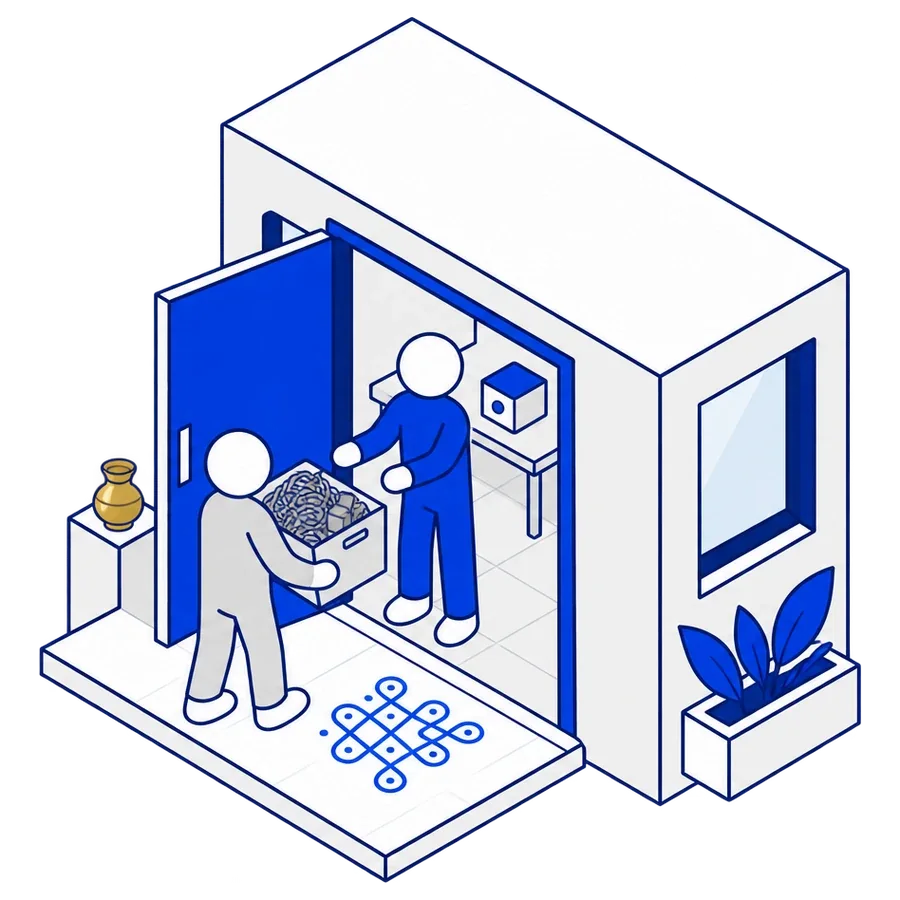
Every build has to land inside a real workflow. If it only works in a sandbox, it is not done.
Applied · forward-deployed engineering
We embed with your team, learn how the work actually happens, and build systems that run inside the tools and workflows you already depend on.
A live problem, built in your environment, owned in production.
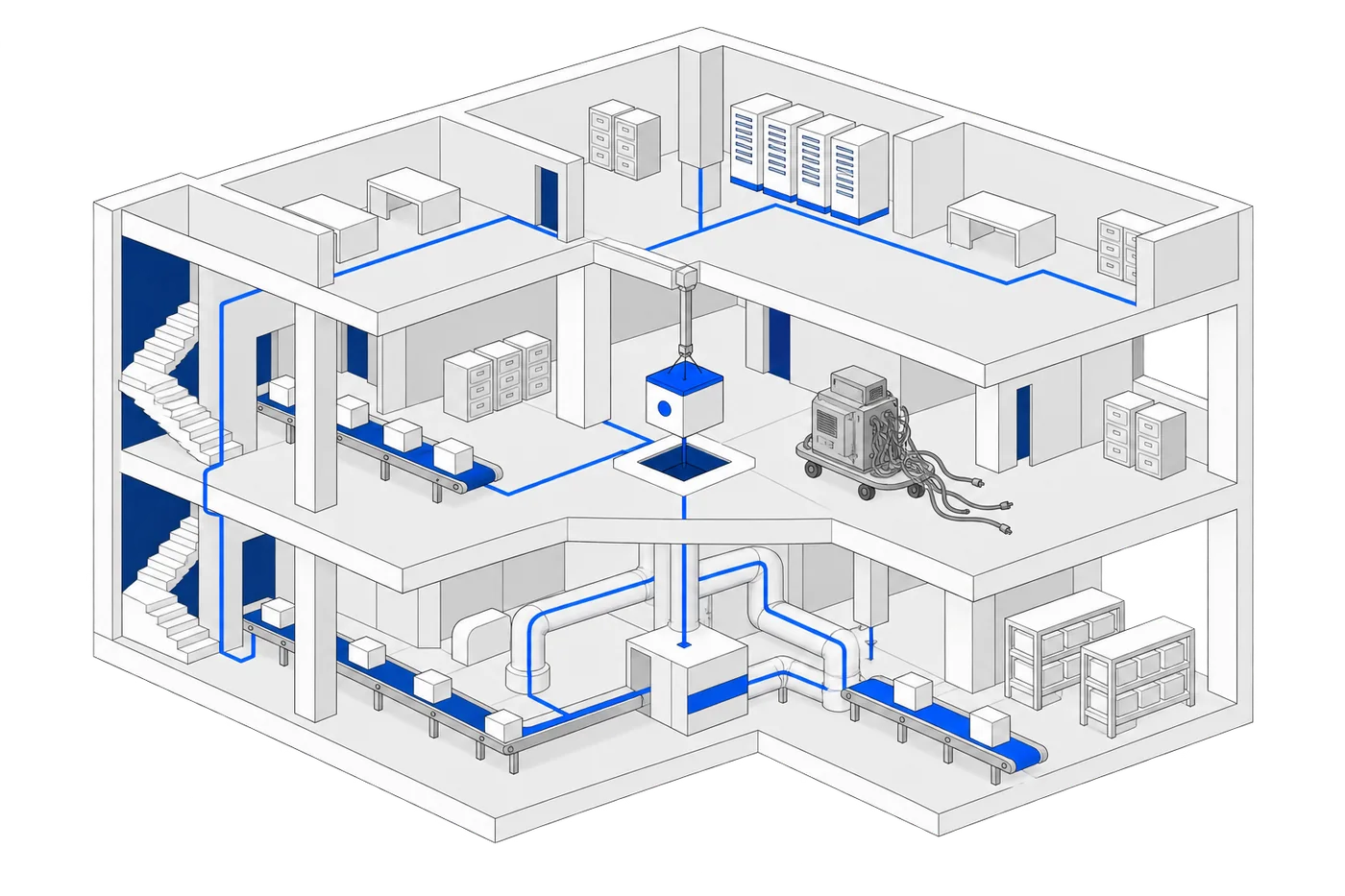
01Your existing stack
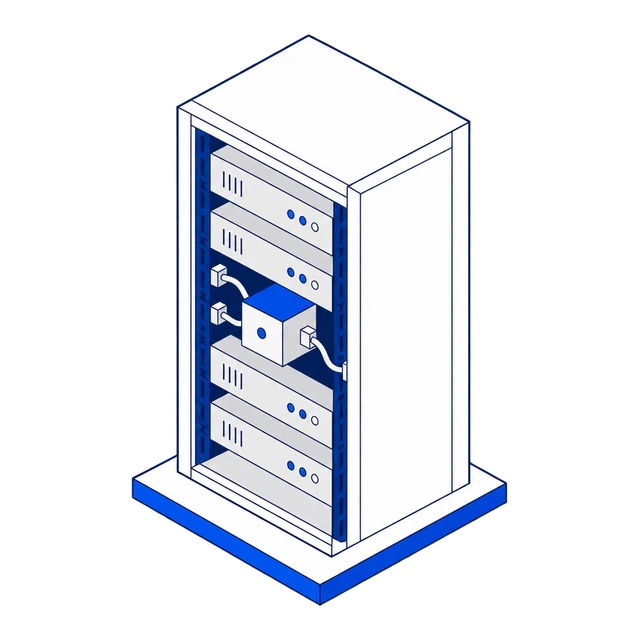
02The yukti module
03Owned in production
123The thesis
Companies do not need another generic assistant bolted onto the side of the business. They need AI that ships, integrates, and stays useful inside the operating fabric of the company: the tickets, the docs, the tools, the handoffs, the approvals.
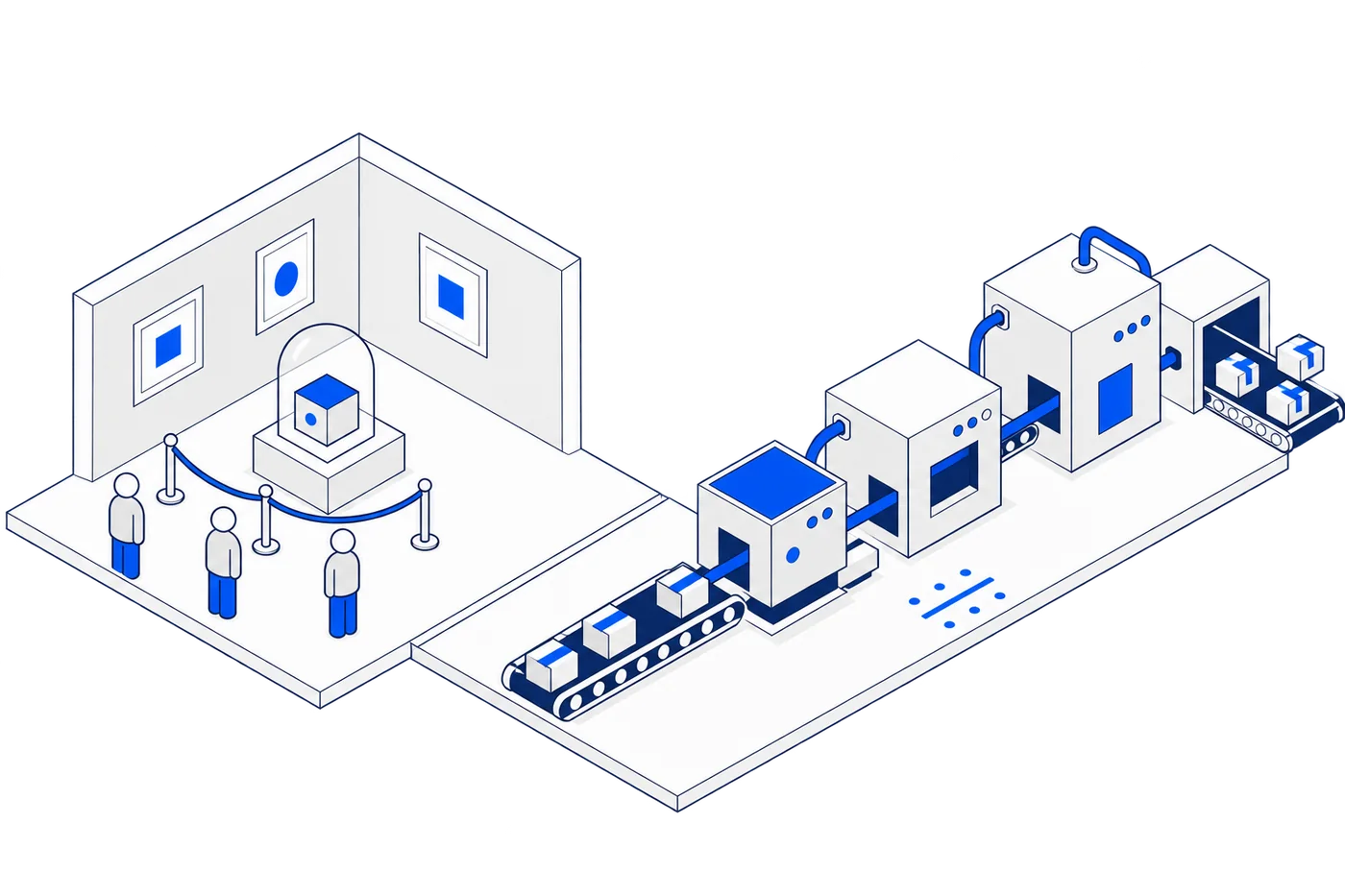
Every build has to land inside a real workflow. If it only works in a sandbox, it is not done.
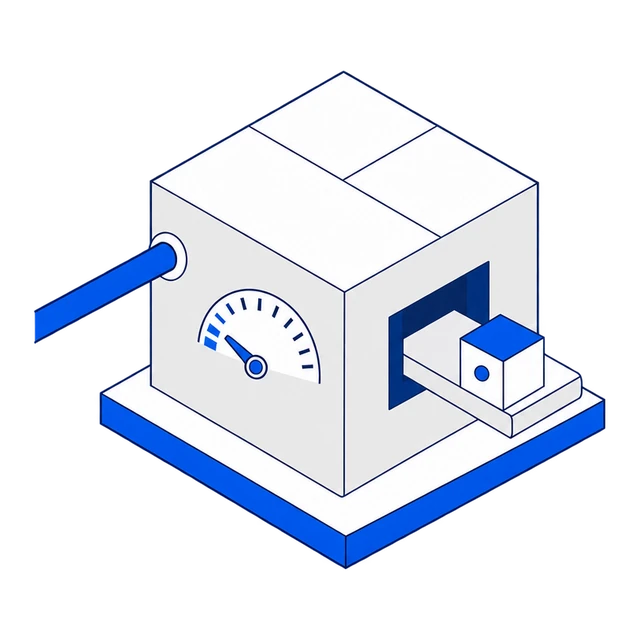
Waste is a product failure. Systems should earn their compute, tokens, and maintenance cost.
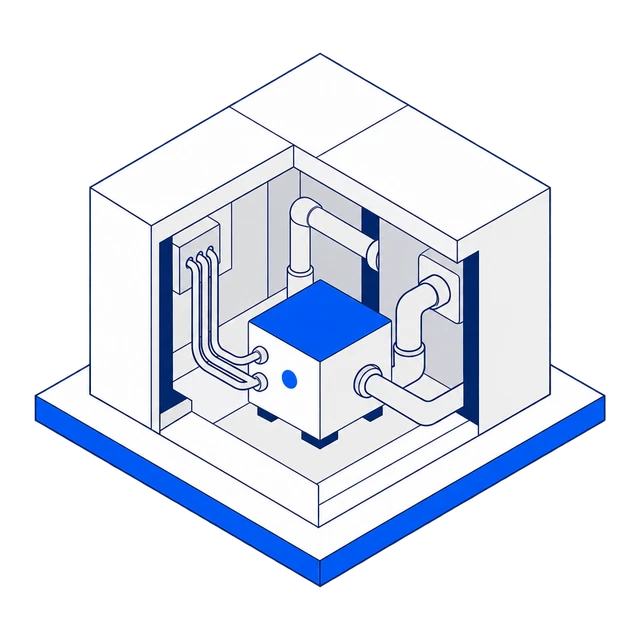
Sit inside the problem with your team. Closer to a senior hire for a stretch than a disappearing vendor.
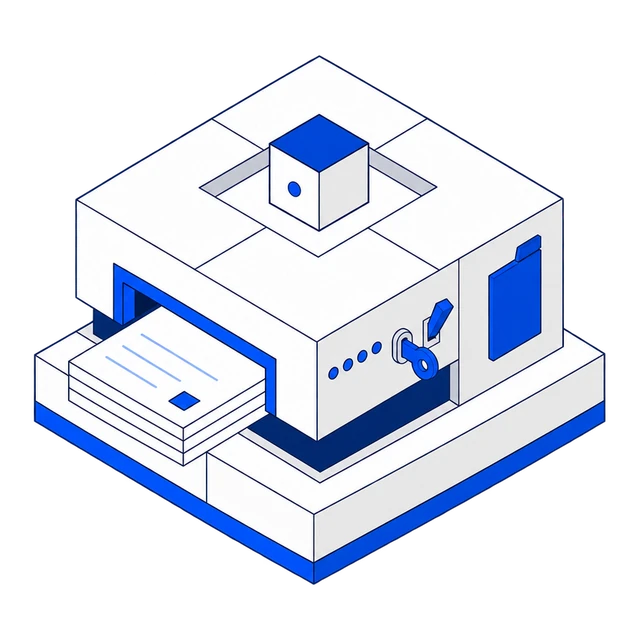
Success is a system that runs with clear ownership, monitoring, and room to change.
The workhorse test
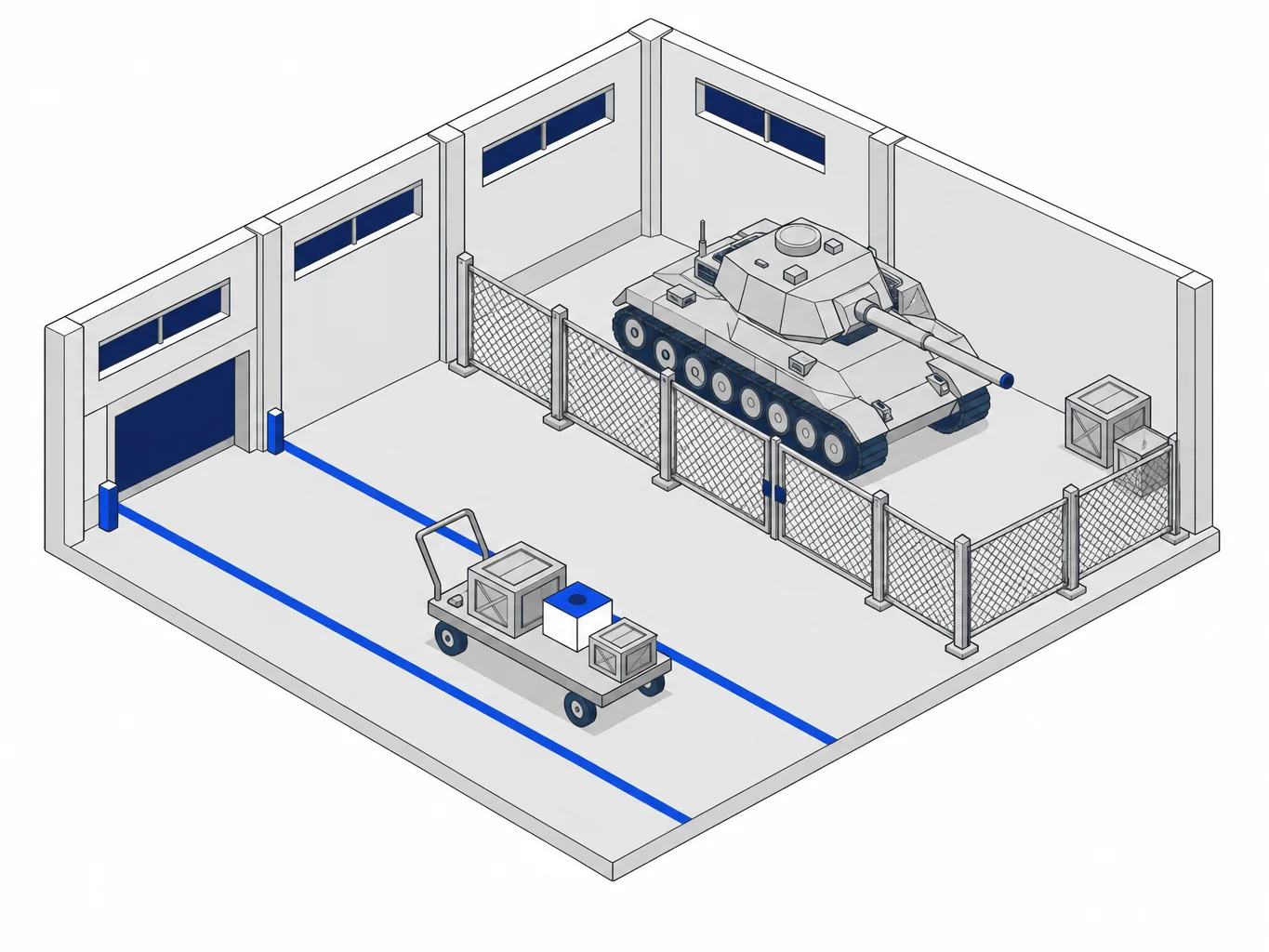
Not everyone needs a tank. Everyone deserves a good workhorse.
Most company problems do not need the biggest model or the most elaborate system. They need something dependable that does the job every day, inside the workflow, at a cost that makes sense.
That is what Applied builds.
Applied
Four kinds of work. One delivery posture: forward-deployed, production-bound.
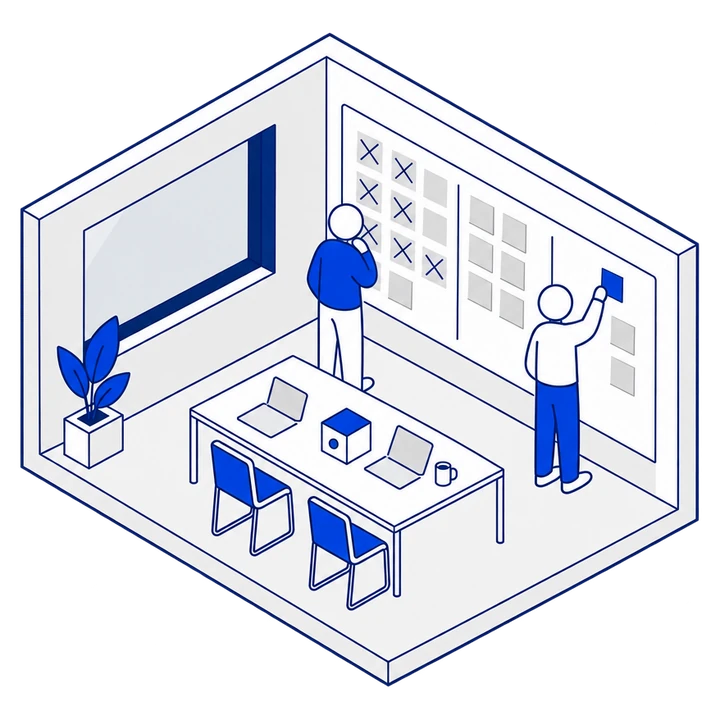
Not every AI idea should be built. We pressure-test ownership, definition of done, stack fit, failure modes, and whether the return is worth the cost.
Or a clear no.
Only if yes.
Tied to that scope.
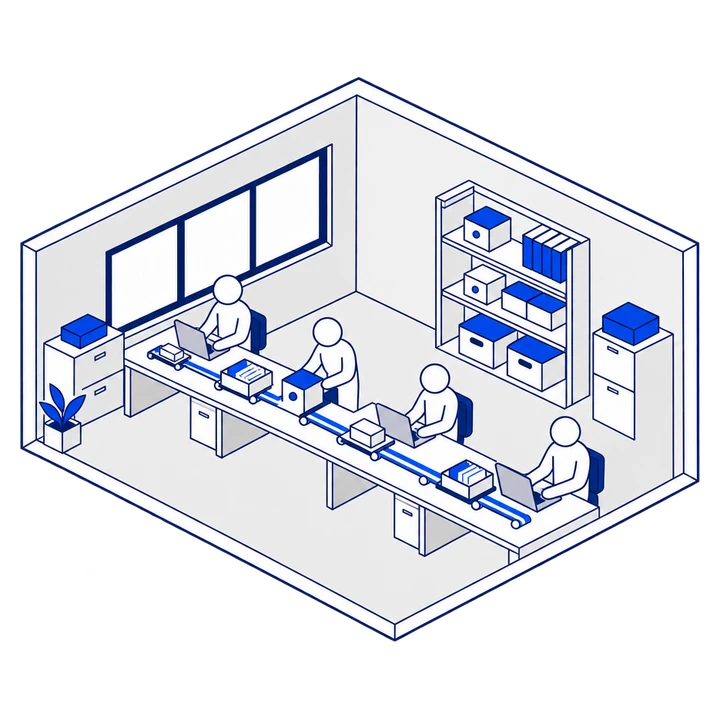
Production systems that remove friction from work that already exists: handoffs, reviews, intake, fragile internal tools.
Move work without constant babysitting.
Across platforms you already pay for.
Know when quality or cost drifts.
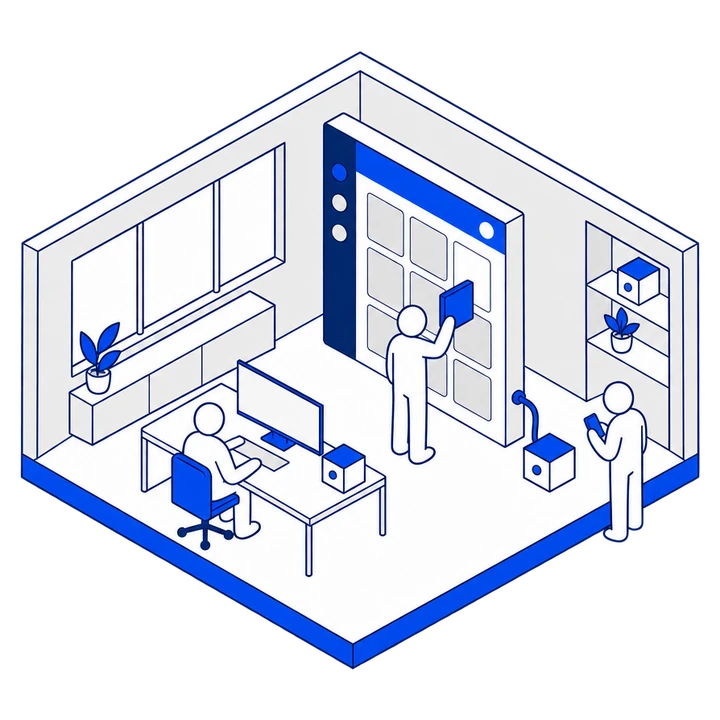
When AI belongs in the product itself. Model-backed features inside software customers or operators already use.
Not a parallel prototype app.
Before broad rollout.
Iterate after launch.
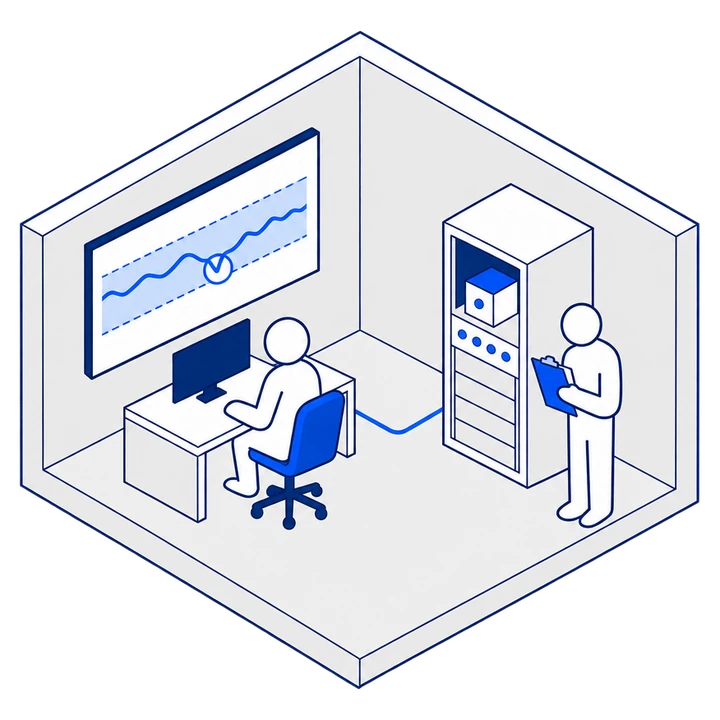
Shipping is not the finish line. Structure around quality, human control, regressions, and change without a rewrite.
Tied to business outcome.
Before wider release.
Not only code.
Process
From problem to production, with an explicit output at each step.
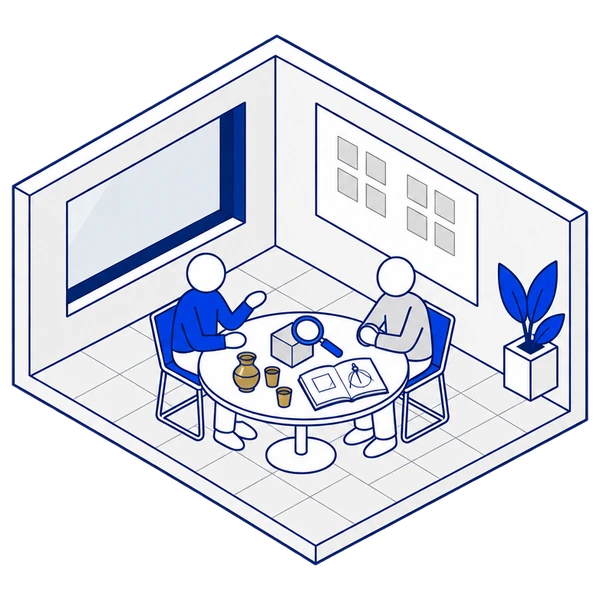
Concrete use case with an owner. Hard questions early.
Out: go / no-go + scope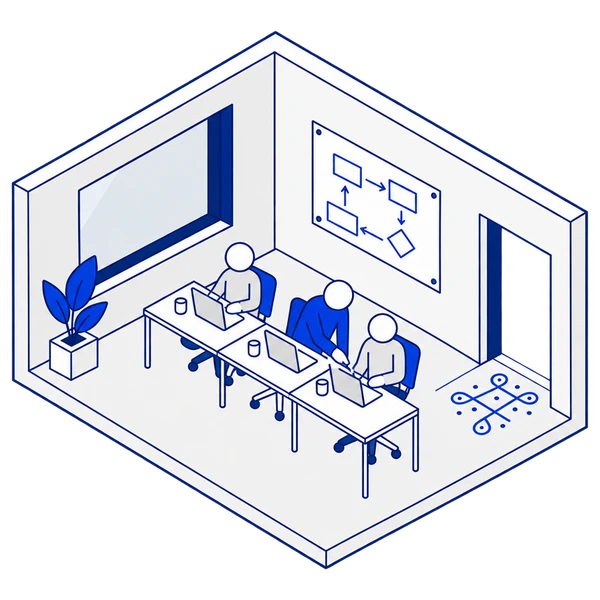
Engineer joins your team and sits in the workflow.
Out: shared workflow map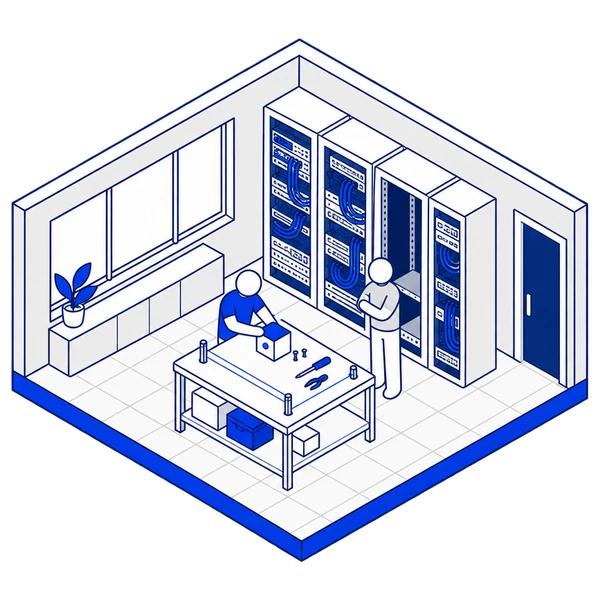
In your environment, against your stack, early working slices.
Out: system on the real path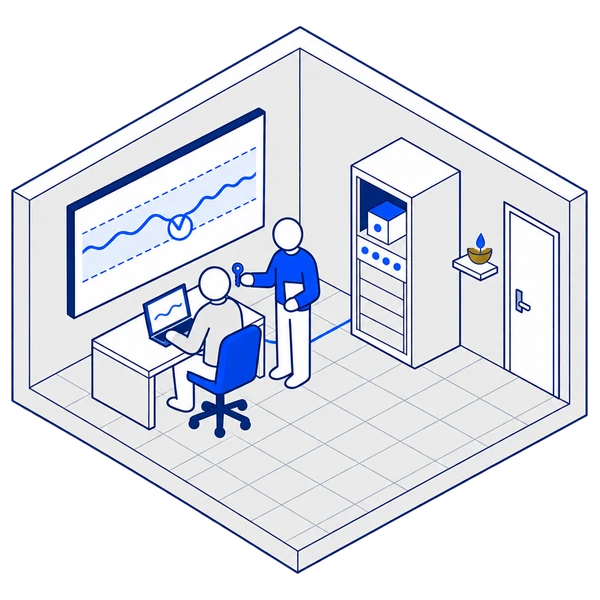
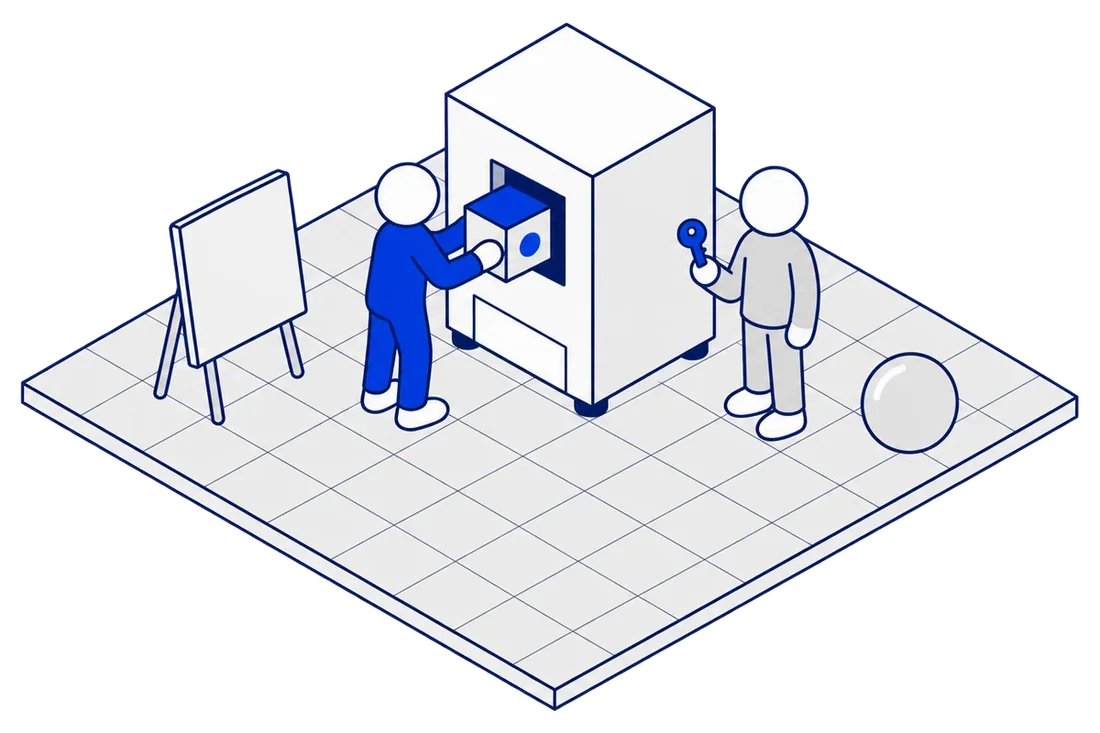
Live where work happens. Ownership, watch, reverse, improve.
Out: live system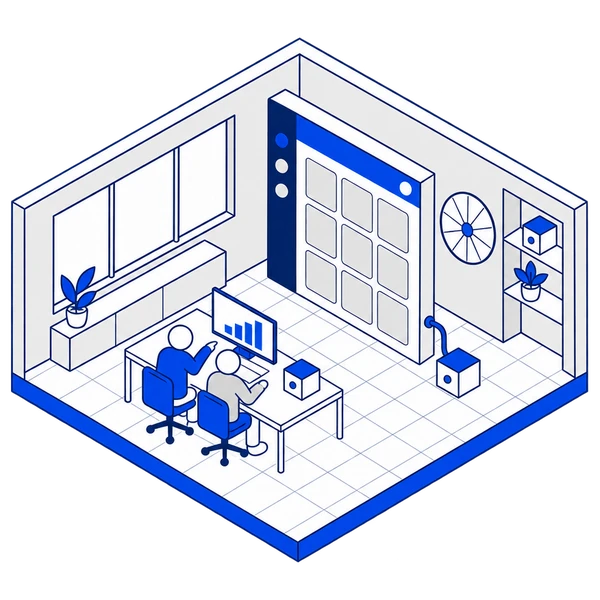
Optional retainer. Same people. No relearning from zero.
Out: continuity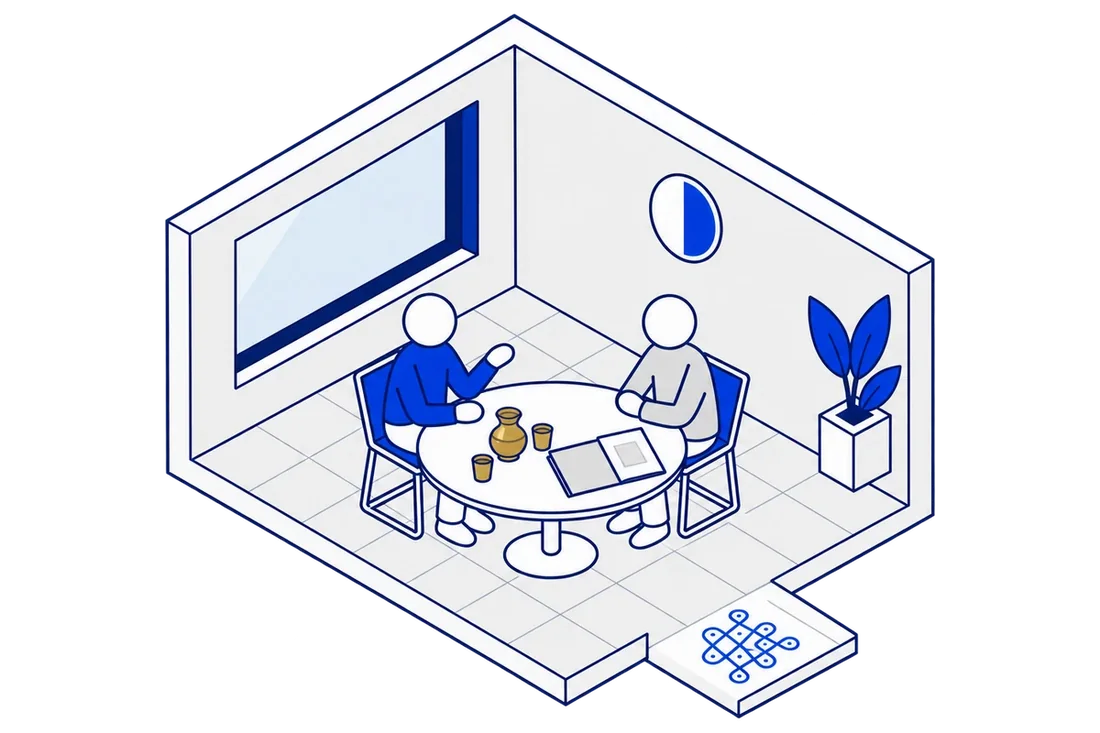
Engagement
Fit
Good fit: live workflow, clear owner, production intent, willing to embed.
Bad fit: deck-only goals, generic chatbot with no workflow change, staff-aug benches more than a build team.
FAQ
yukti is an AI research lab. Applied is its forward-deployed engineering arm: we embed with companies to put AI systems into production.
No packages, long discovery theater, or layers of account management. A forward-deployed engineer works inside your problem and ships into your environment.
Someone from yukti joins your team for the engagement: learns the workflow, builds, integrates, and stays through production.
Operational systems that need to run every day, and product surfaces that need model-backed features to ship and hold up.
Depends on scope. Narrow systems can move in weeks. Larger surfaces take longer, with working slices early. Honest range after the first call.
From the problem. After a short call and clear scope, we propose terms. Bad fit on budget or timeline: we say so early.
Yes. Many engagements move into a retainer with the same people for iteration, monitoring, and adjacent builds.
Yes when required. Access follows least privilege and your security process.
Email hello@useyukti.com with the problem and who owns it. Call, then proposal if fit.
Contact
Tell us what has to work in production.
hello@useyukti.comWe will say yes, no, or not yet.